
Driving to Hakuba in Winter: Snow Tyre Dates and Rules
Category: Hakuba Village › Getting Around
If you’re driving to Hakuba in winter, plan for snow and freezing temperatures before December and after March. At the Japan Meteorological Agency (JMA) station in Hakuba Village, snow lay on the ground before 1 December in 5 of the last 11 winters, and the temperature dropped below 0 °C after 31 March in all 11.
Nagano’s rule is tied to the road, not to a date: on a snowy or frozen road, a car needs chains or anti-slip tyres. For trip planning, arrange studless tyres if you’ll drive in November or April, and check forecasts and road conditions for late October or May. These are planning suggestions, not legal fitting dates.
Driving to Hakuba in winter: when do you need studless tyres?
The Hakuba Land editorial team counted these dates from the JMA’s daily records for its Hakuba station (AMeDAS, 703 m above sea level). “Snow on the ground” means a day with a maximum snow depth of 1 cm or more; “below 0 °C” means a daily minimum below 0.0 °C.
| Winter | First day with a minimum below 0 °C | First day with snow on the ground | Last day with snow on the ground | Last day with a minimum below 0 °C |
|---|---|---|---|---|
| 2015-16 | 26 Oct | 27 Nov | 23 Mar | 16 Apr |
| 2016-17 | 25 Oct | 8 Dec | 27 Mar | 2 May |
| 2017-18 | 31 Oct | 20 Nov | 22 Mar | 11 May |
| 2018-19 | 2 Nov | 12 Dec | 2 Apr | 8 May |
| 2019-20 | 5 Nov | 6 Dec | 23 Apr | 28 Apr |
| 2020-21 | 31 Oct | 5 Dec | 3 Mar | 3 May |
| 2021-22 | 24 Oct | 27 Nov | 21 Mar | 17 Apr |
| 2022-23 | 20 Oct | 14 Dec | 3 Mar | 25 Apr |
| 2023-24 | 14 Nov | 18 Nov | 25 Mar | 10 May |
| 2024-25 | 7 Nov | 29 Nov | 26 Mar | 30 Apr |
| 2025-26 | 29 Oct | 3 Dec | 23 Feb | 22 Apr |
Source: JMA daily values, Hakuba station, October–May of each winter, read 12 November 2026. Counts below are our arithmetic. Snow depth is missing for 18 February–7 March 2016 and 14–21 December 2017; neither gap covers a date in the table. Some daily values carry JMA quality marks (準正常値 or 資料不足値).
In these 11 winters, the first day with snow on the ground ranged from 18 November (2023) to 14 December (2022), and the last from 23 February (2026) to 23 April (2020). Snow remained after 31 March in 2 winters. The first minimum below 0 °C came between 20 October and 14 November. The last came between 16 April and 11 May: after 31 March in all 11 winters, and in May in 5.
Hakuba Goryu’s access page puts the snow and ice period at late November to around late March and says studless tyres or chains are essential. The station data show why those dates should not be treated as cut-offs. From 1 October to 11 November 2026, the station recorded no daily minimum below 0 °C; the lowest was 0.1 °C on 29 October.
These are readings at one point in the village, not road-surface measurements. A below-zero air temperature does not mean every road is icy. For monthly snowfall and temperature normals, see Hakuba weather by month.
What does Nagano’s winter tyre rule require?
Article 14, item 2 of the 長野県道路交通法施行細則 (Nagano Prefecture Road Traffic Act Enforcement Regulations) applies when you drive a car, other than a two-wheeler, on a snowy or frozen road. You must use tyre chains or anti-slip tyres (tyres with anti-slip performance; the prefectural police name studless tyres and snow tyres). Chains go on both rear wheels, or both front wheels on a front-wheel-drive car; anti-slip tyres go on all wheels.
The rule names no start or end date. Nagano Prefecture states that driving on normal tyres when roads are snowy or frozen breaks the Road Traffic Act. The prefectural police add a related item: do not drive with snow on the roof or bonnet.
When do you need chains even with studless tyres?
Japan’s Ministry of Land, Infrastructure, Transport and Tourism (MLIT) runs チェーン規制 (chain-only restrictions) during exceptional snowfall, of the kind that brings a heavy-snow special warning or an urgent heavy-snow announcement. On a restricted section, a car without tyre chains cannot pass, even with studless tyres and even with four-wheel drive. MLIT says chains go on the driving wheels as a general rule. Spray-on products do not count.
MLIT’s list has 13 sections. Two involve Nagano Prefecture: the Joshin-etsu Expressway (E18) from Shinano-machi IC to Arai PA (上り線, the “up” direction only), and the Chuo Expressway (E19) from Iida-Yamamoto IC to Sonohara IC. None of the 13 is in Hakuba Village. The list carries no date, so check MLIT’s page before a trip.
Do rental cars in Nagano and Hakuba come with winter tyres?
Two rental companies publish the months in which studless tyres are standard.
| Company and branch | Studless tyres standard | What the page adds |
|---|---|---|
| Toyota Rent a Car, Toyota Rent Lease Nagano | 1 Dec–31 Mar | No need to request them; a season rate applies; the period may change (list for April 2026–May 2027) |
| Hakuba Rent a Car (Hakuba Station and Cortina stores) | December–March | All cars 4WD; no extra charge |
Sources: Toyota Rent a Car studless page; Hakuba Rent a Car rates, last updated October 2026. Both read 12 November 2026.
Neither page says what tyres are fitted in November or April. Toyota’s list names no Tokyo-area branch. Snow lay on the ground at the Hakuba station in November in 5 of the 11 winters, and every one recorded a minimum below 0 °C after March. If you pick up a car in late November or April, or in Tokyo, ask for studless tyres when you book.
Things to check before you drive
- Tyres: on snowy or frozen roads, anti-slip tyres on all wheels, or chains on both rear wheels (both front wheels on a front-wheel-drive car).
- Chains: carry a set that fits your tyres if you may use the E18 or E19 sections above; studless tyres alone do not get you through a chain-only restriction.
- Road conditions: Nagano Prefecture’s 道路情報広場Nagano (Road Information Plaza) publishes road information and live camera images.
- Snow on the car: clear the roof and bonnet before you set off.
- Parking: overnight rules at Happo-One, Goryu and Iwatake are in Hakuba ski resort parking.
Driving up to see land or a house in winter
If you’re viewing land or a house during a winter trip, ask the seller or agent how the plot’s access road is cleared. Buying land in Hakuba explains the road-access rules for building plots, and the yearly running costs guide covers the winter work an absent owner must arrange. If you go on to build, our long-term partner builders carry out the construction, with us coordinating their work.
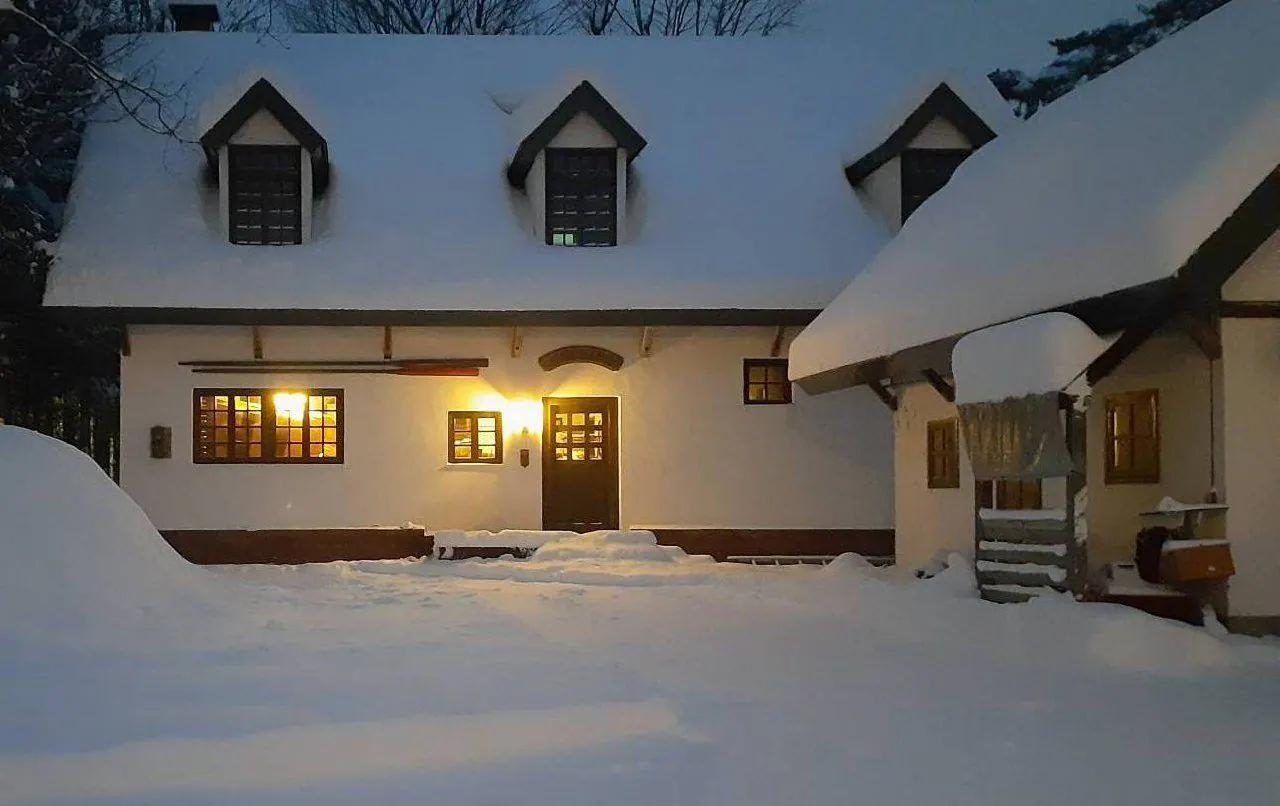
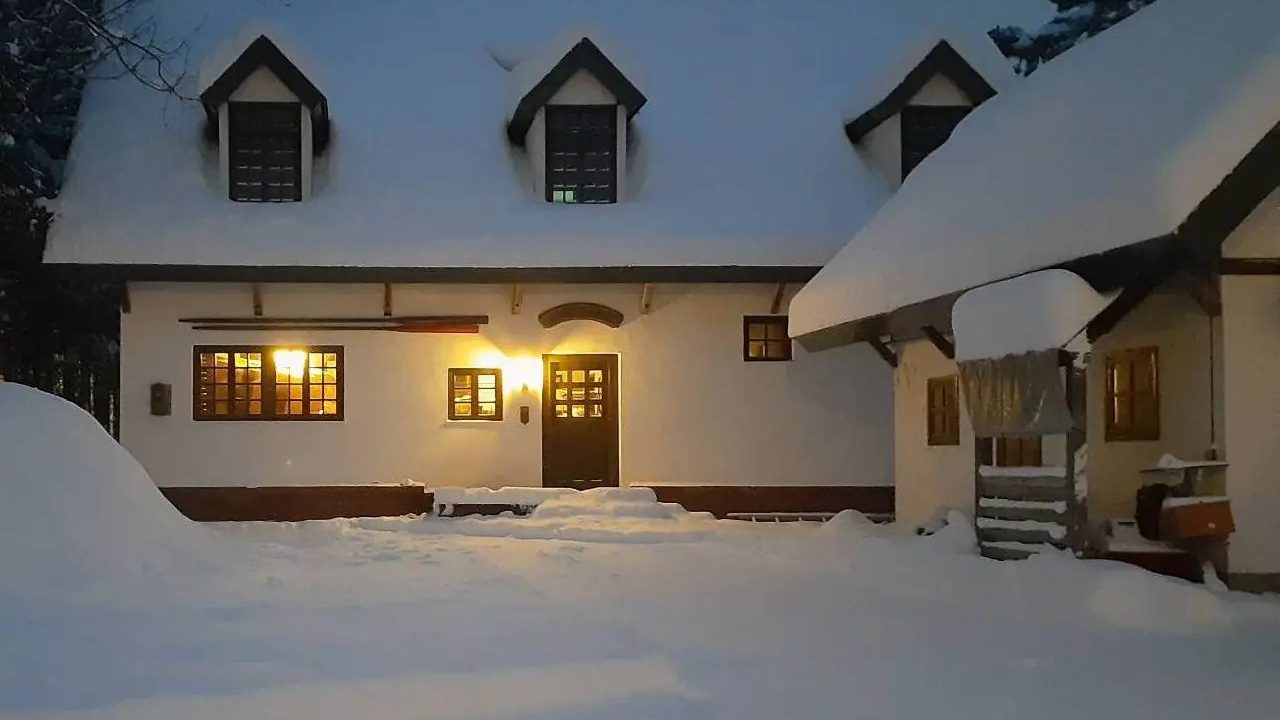
Disclosure: the hero photo was taken at Maykiss, a chalet in Hakuba owned by Gemini株式会社.
Sources
- JMA: daily values, Hakuba station (AMeDAS 0396), October–May, 2015-16 to 2025-26 and autumn 2026
- MLIT Chubu: Nagano rule, Article 14, item 2; Nagano Prefectural Police: winter road rules; Nagano Prefecture on normal tyres in winter
- MLIT: chain-only restrictions
- Hakuba Goryu: getting here
- Toyota Rent a Car: studless standard branches and periods; Hakuba Rent a Car
- All read 12 November 2026.
Related guides
-
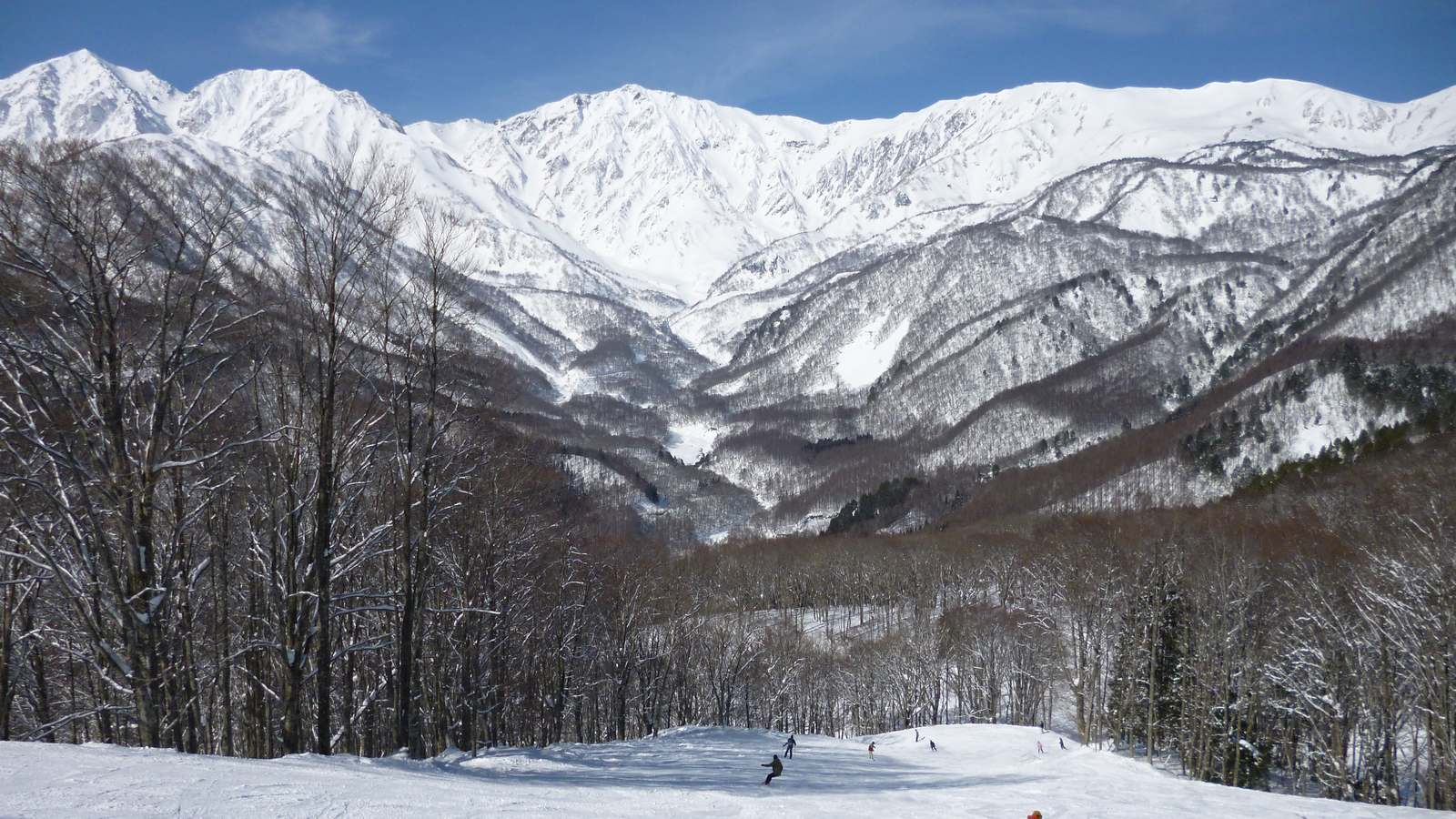
Hakuba Ski Resort Parking 2026-27: Free Lots and Rules
Parking at Happo-One, Goryu and Iwatake from official pages: free lots, Happo's ¥1,000 gondola lots, overnight parking rules and Nagano's winter tyre rule.
-
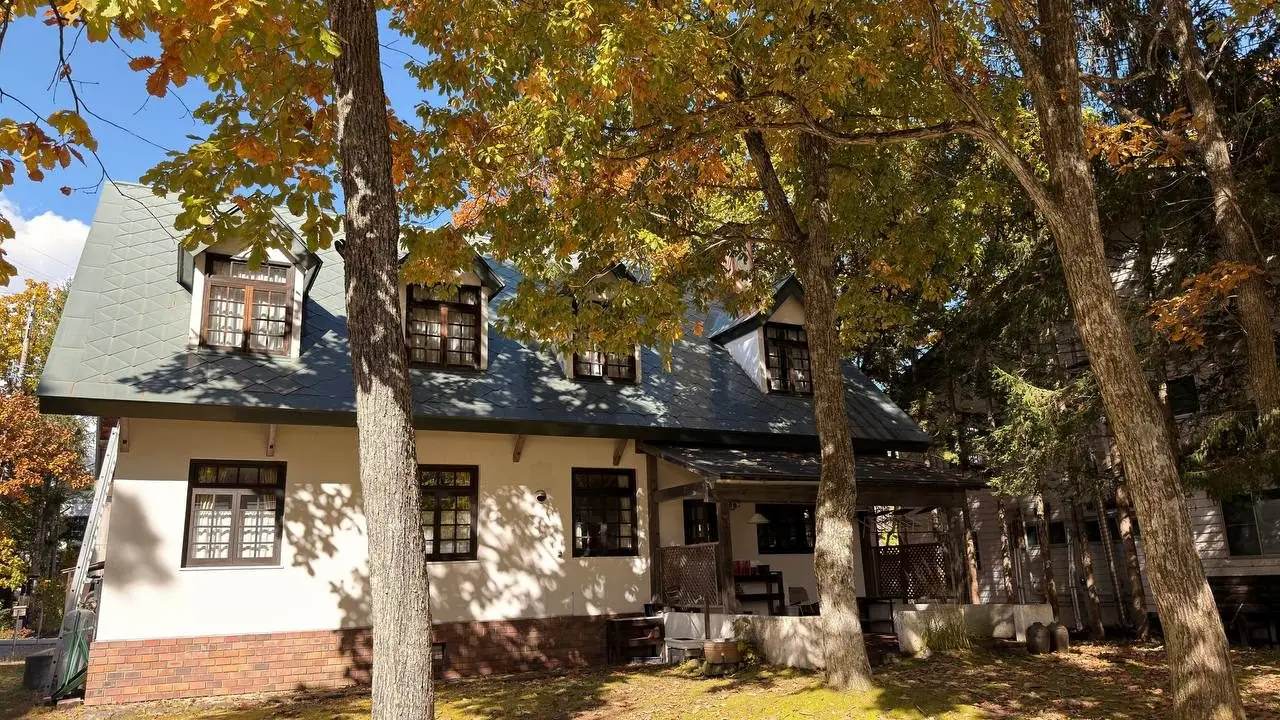
Hakuba Weather by Month: Temperature, Precipitation, Snow
Hakuba weather by month from JMA 1991–2020 normals: temperature, precipitation, sunshine and snow, plus how much the last two winters differed.
-
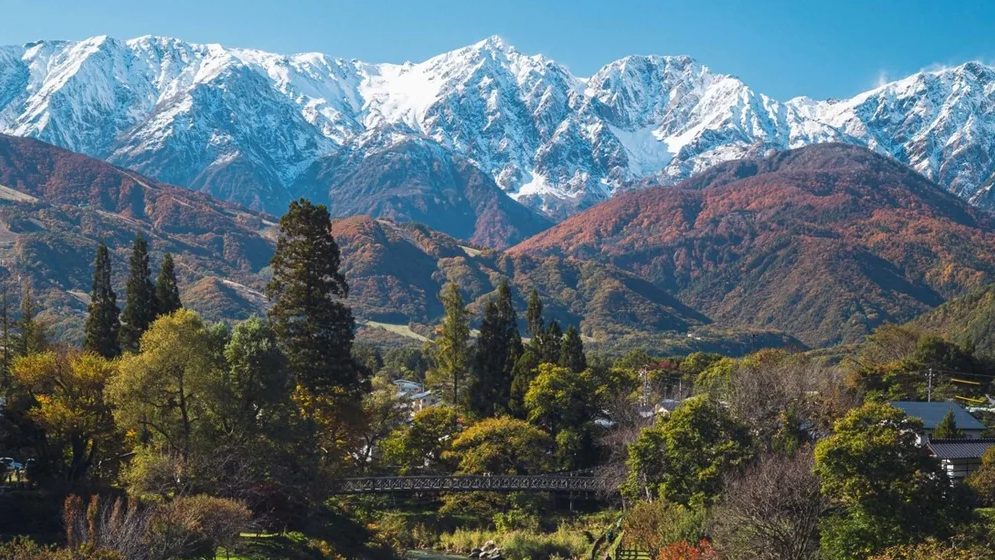
Buying Land in Hakuba: What You Can Build and What to Check
Looking at Hakuba land for sale? Zoning, landscape and development rules, villa-area agreements, road access and what to check before you buy.
-
Buying a House in Hakuba: Yearly Running Costs and Checks
Buying a house or chalet in Hakuba? See the yearly running costs from official tariffs, the winter work an absent owner must arrange, and what to check first.