
Hakuba Weather by Month: Temperature, Precipitation, Snow
Category: Hakuba Village › Climate & Weather
Hakuba weather by month is coldest in January (mean −2.8 °C) and warmest in August (22.6 °C), according to the Japan Meteorological Agency’s (JMA) 1991–2020 normals for its Hakuba station (703 m). January also has the most snowfall (216 cm) and July the highest precipitation (280.8 mm).
These figures come from one station in the village. They are 30-year averages; for this week’s weather, see the JMA’s official forecast. The two most recent November–April periods had very different snowfall totals: 675 cm and 248 cm.
Hakuba weather by month: temperature and precipitation
The 1991–2020 normals put monthly mean temperatures below 0 °C in December–February, with average daily lows below 0 °C through March.
| Month | Mean temperature (°C) | Average daily high (°C) | Average daily low (°C) | Precipitation (mm) |
|---|---|---|---|---|
| Jan | −2.8 | 1.4 | −7.2 | 141.5 |
| Feb | −2.4 | 2.6 | −7.3 | 125.9 |
| Mar | 1.2 | 7.0 | −3.6 | 136.2 |
| Apr | 7.6 | 14.6 | 1.7 | 126.4 |
| May | 13.8 | 20.8 | 7.8 | 135.0 |
| Jun | 17.7 | 23.6 | 13.1 | 211.4 |
| Jul | 21.5 | 27.0 | 17.7 | 280.8 |
| Aug | 22.6 | 28.4 | 18.5 | 177.7 |
| Sep | 18.2 | 23.6 | 14.3 | 181.9 |
| Oct | 11.9 | 17.7 | 7.4 | 136.5 |
| Nov | 5.5 | 11.5 | 0.9 | 100.4 |
| Dec | −0.1 | 4.5 | −4.0 | 135.6 |
| Year | 9.6 | 15.2 | 5.0 | 1,889.2 |
Source: JMA, Hakuba station (703 m), normals 1991–2020. Checked 3 November 2026. The monthly normals cover 30 years.
August’s average daily high of 28.4 °C gives a better sense of summer afternoons than the monthly mean alone. Rainfall is heaviest in July (280.8 mm), while November is the driest month (100.4 mm). Sunshine is scarcest in January (71.3 hours) and December (75.0 hours); May is the sunniest month (193.8 hours).
| Month | Sunshine (hours) | Snowfall total (cm) | Max snow depth (cm) |
|---|---|---|---|
| Jan | 71.3 | 216 | 82 |
| Feb | 96.1 | 174 | 97 |
| Mar | 136.9 | 110 | 70 |
| Apr | 169.6 | 7 | 7 |
| May | 193.8 | 0 | 0 |
| Jun | 146.1 | 0 | 0 |
| Jul | 138.8 | 0 | 0 |
| Aug | 169.1 | 0 | 0 |
| Sep | 118.8 | 0 | 0 |
| Oct | 128.6 | 0 | 0 |
| Nov | 112.1 | 14 | 7 |
| Dec | 75.0 | 130 | 46 |
| Year | 1,556.2 | 655 | 100 |
Source: JMA normals as above. Snowfall total (“降雪の深さ合計”) adds up the depths of snow that falls; max snow depth (“最深積雪”) measures the deepest snow on the ground, given here as a 30-year average rather than a record. The annual figures are the JMA’s own annual normals.
How much does it snow in Hakuba, and when does it start?
The station’s snowfall season runs from November (14 cm) to April (7 cm) in the normals. The distinction between snowfall and snow depth matters: January has the most falling snow (216 cm), but February has the highest average monthly maximum depth (97 cm). Averaging each year’s deepest snow gives the JMA’s annual normal of 100 cm.
Snowfall at either end of the season is much lighter than in December to March: November averages 14 cm of snowfall and 7 cm maximum depth, while April averages 7 cm and 7 cm. For each ski resort’s planned opening and closing dates, see our guide to Hakuba ski season dates.
How different were the last two winters?
The table compares the station’s monthly observations with its 1991–2020 normals. Each cell gives snowfall total / maximum snow depth, both in cm. The normal column contains 30-year averages; the other columns contain observations for the months shown.
| Month | Normal 1991–2020 (cm) | Nov 2024–Apr 2025 (cm) | Nov 2025–Apr 2026 (cm) |
|---|---|---|---|
| Nov | 14 / 7 | 27 / 18 | 0 / 0 |
| Dec | 130 / 46 | 214 / 68 | 82 / 32 |
| Jan | 216 / 82 | 193 / 103 | 125 / 45 |
| Feb | 174 / 97 | 173 / 121 | 41 / 30 |
| Mar | 110 / 70 | 68 / 97 | 0 / 0 |
| Apr | 7 / 7 | 0 / 0 | 0 / 0 |
Source: JMA, Hakuba station, monthly values for 2024, 2025 and 2026, and the normals above.
Our sums of the six monthly snowfall totals—675 cm for November 2024 to April 2025 and 248 cm for November 2025 to April 2026—show the contrast between the winters; the published annual normal is 655 cm.
Snow on the ground also differed sharply: maximum depth reached 121 cm in November 2024–April 2025 (in February 2025), compared with 45 cm in November 2025–April 2026 (in January 2026). November 2025 and March 2026 both had 0 cm for snowfall total and maximum snow depth at the station.
Monthly mean temperatures for the same months were:
| Month | Normal 1991–2020 (°C) | Nov 2024–Apr 2025 (°C) | Nov 2025–Apr 2026 (°C) |
|---|---|---|---|
| Nov | 5.5 | 6.6 | 5.6 |
| Dec | −0.1 | −1.2 | 0.4 |
| Jan | −2.8 | −2.3 | −2.9 |
| Feb | −2.4 | −3.2 | −0.3 |
| Mar | 1.2 | 2.2 | 3.6 |
| Apr | 7.6 | 8.6 | 10.7 |
Source: JMA, Hakuba station, monthly values and normals as above. The low-snow end of the second winter was also warmer than normal: February 2026 averaged −0.3 °C rather than −2.4 °C, and March 2026 averaged 3.6 °C rather than 1.2 °C.
This comparison covers two winters, not the full range of conditions Hakuba has experienced.
How cold and how wet can Hakuba get?
Hakuba Village’s climate page lists these recorded weather extremes (page updated 7 May 2024):
- Highest temperature: 36.2 °C on 16 August 1994
- Lowest temperature: −18.7 °C on 31 January 1981
- Greatest snow depth: 187 cm on 28 December 1980
- Highest rainfall: 188 mm on 11 July 1995
- Highest hourly precipitation: 68.5 mm on 6 August 2022
The page gives the observation period for each measure, with start dates between 1976 and 1980. In the two recent November–April periods, the lowest recorded temperatures were −15.2 °C in February 2025 and −13.4 °C in January 2026, respectively.
What do these averages not tell you?
- The station is in the village at 703 m. Happo-One’s ski area reaches 1,831 m at its highest point. For slope temperatures and snow depths, check each resort’s reports rather than the village station.
- The two observed periods show how conditions can vary; neither they nor the normals predict the 2026–27 winter.
- Annual precipitation is roughly 1,900–2,000 mm on the village’s climate page, compared with the JMA normal of 1,889.2 mm used here.
- Since 2 March 2021, JMA’s AMeDAS sunshine hours have been estimates rather than sunshine-meter readings, so recent sunshine is not compared with the normals here.
- The tables use only unflagged JMA values. With no data yet for November 2026 or later, a comparison with the 2026–27 winter is not yet possible.
- For weather on a specific day, see the station’s daily values on the JMA site.
Winter weather and keeping a house in Hakuba
For anyone considering a house or plot in Hakuba, cold and snow also mean winter maintenance costs, including draining pipes and clearing snow. Our guide to running costs when you buy in Hakuba covers what to budget for.
For help finding land or an existing home, Hakuba Land is the real-estate brand of Gemini株式会社, a licensed real-estate broker serving buyers in Hakuba. If you choose to build, our long-term partner builders handle construction, with us coordinating their work. For resort-by-resort figures, see our Hakuba ski resorts guide.
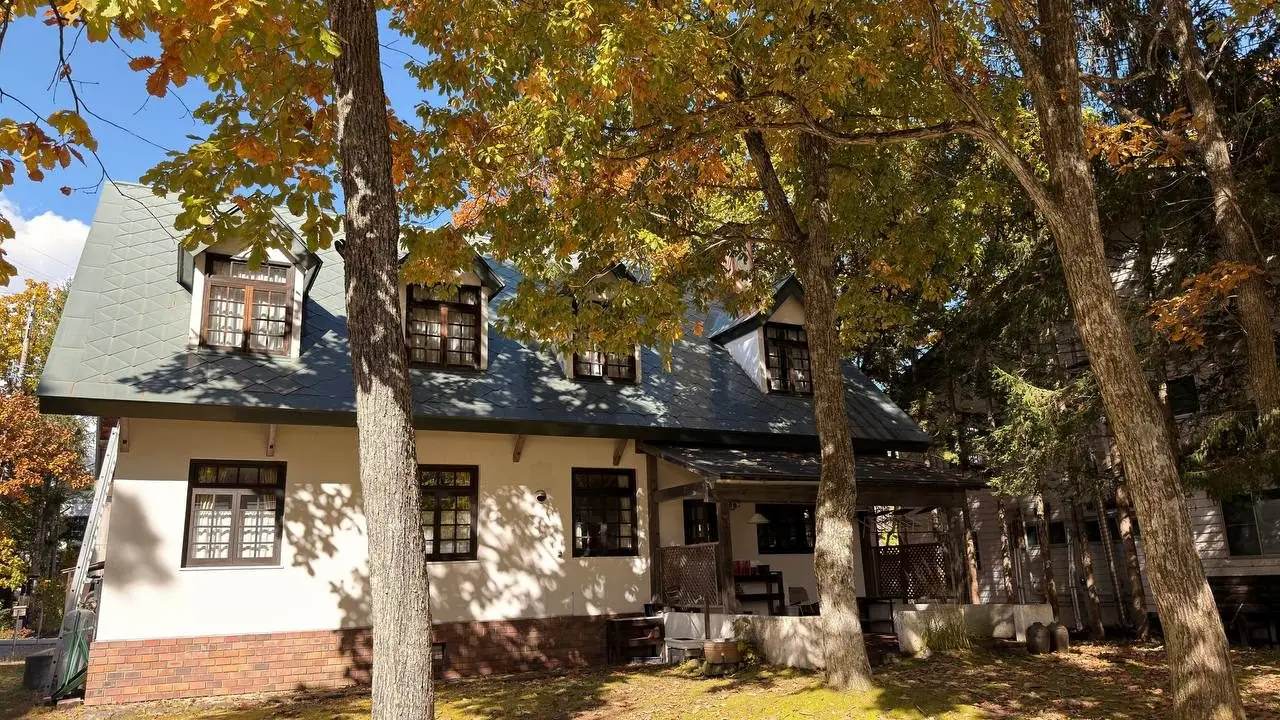
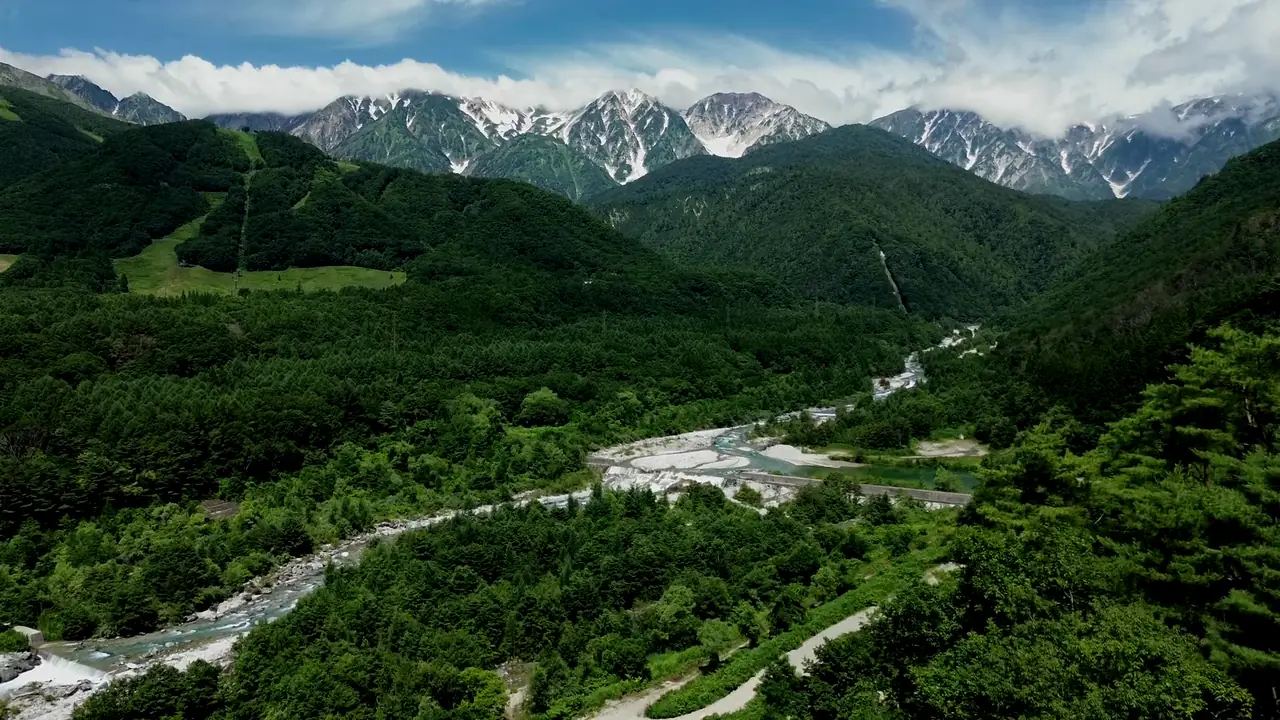
Disclosure: the hero photo was taken at Maykiss, a chalet in Hakuba owned by Gemini株式会社.
Sources
- Japan Meteorological Agency: station list for Nagano (Hakuba, 703 m); Hakuba normals 1991–2020; monthly values for 2024, 2025 and 2026 (links under the tables)
- Hakuba Village: Overview (location, population, climate) (updated 7 May 2024)
- Hakuba Valley: Snow resort information (Happo-One highest point, 1,831 m)
Last checked: 3 November 2026. Observed figures are as published by the JMA and the village on that date.
Related guides
-
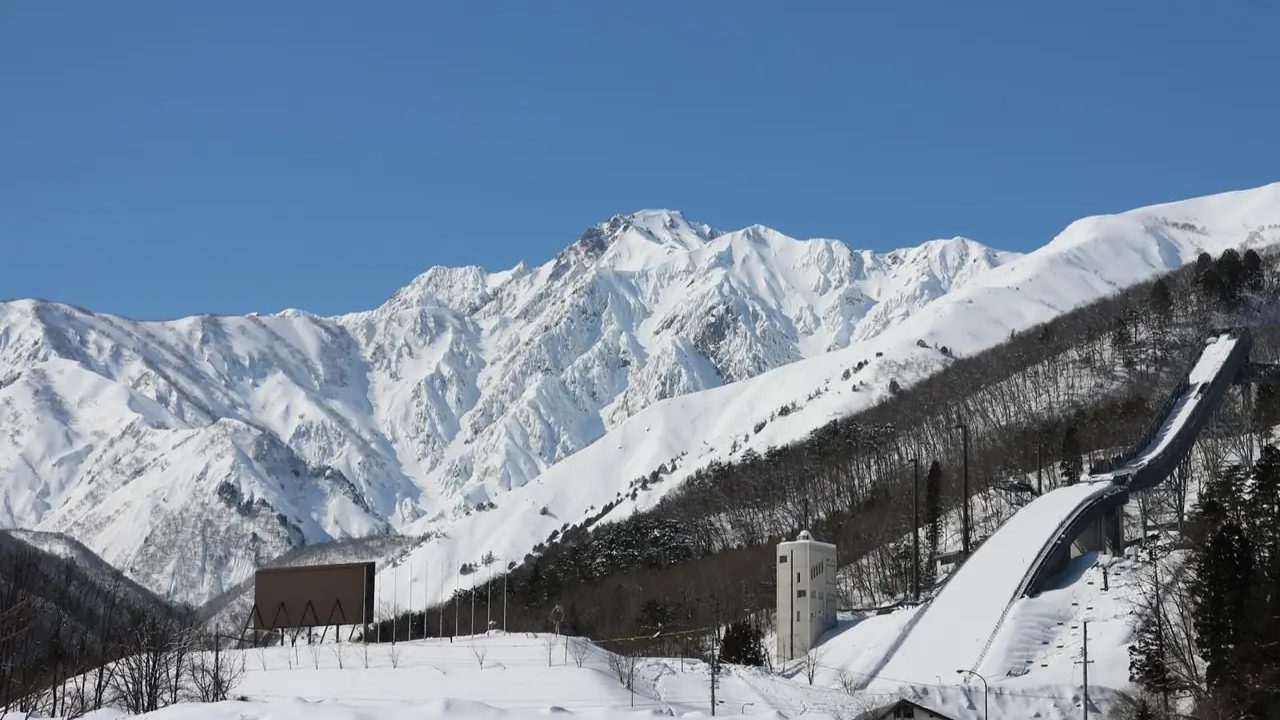
Hakuba Ski Season Dates 2026-27: When Each Resort Opens
Hakuba ski season dates for 2026-27: planned opening and closing days for Hakuba Valley's resorts, early and spring ticket periods, and JMA snow data by month.
-
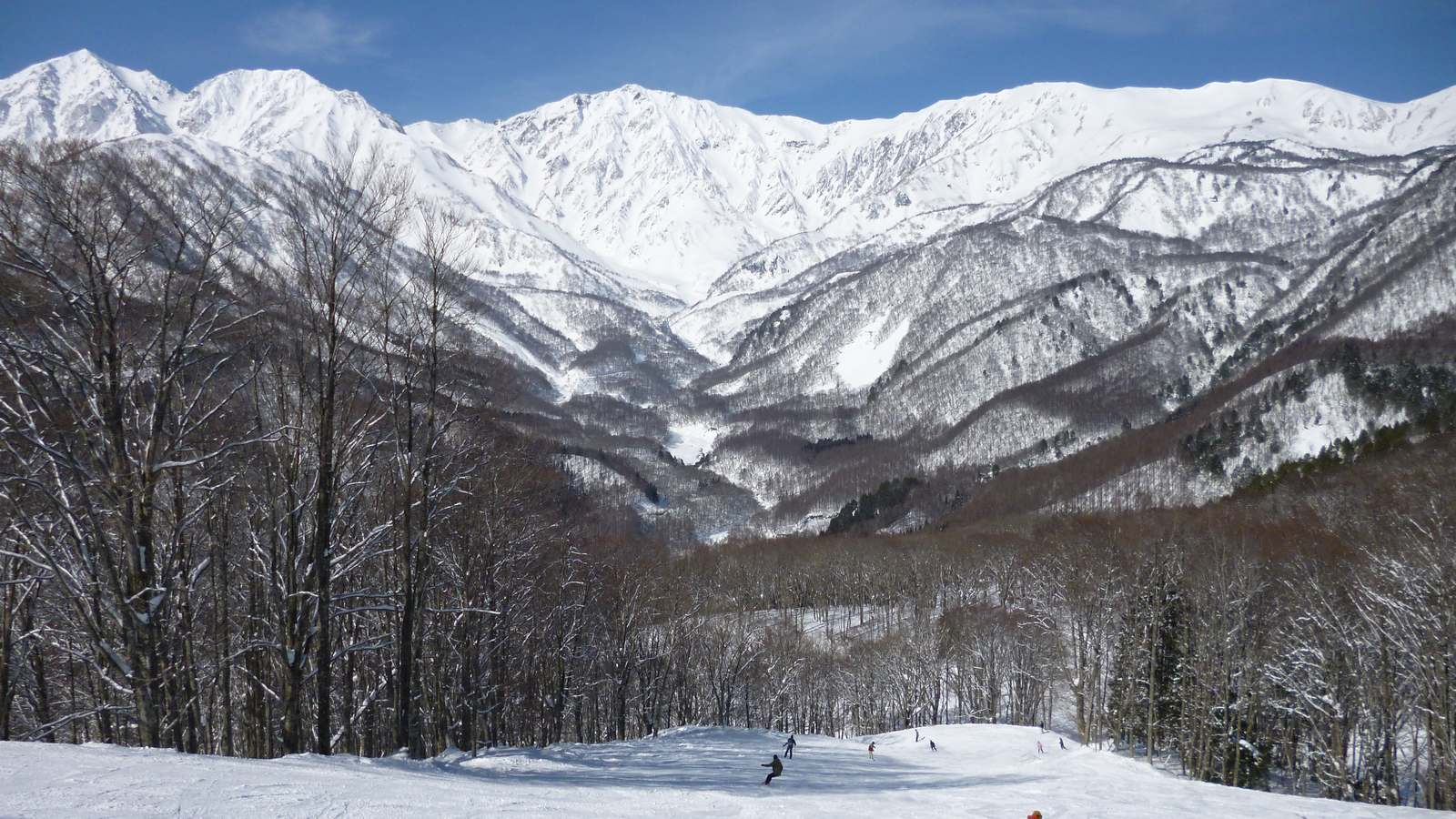
Hakuba Ski Resorts: Hakuba Valley's 10 Resorts Compared (2026-27)
Which Hakuba ski resort suits you? Official data on all 10 Hakuba Valley resorts, picks for beginners, families, powder and park, and the 2026-27 lift pass.
-
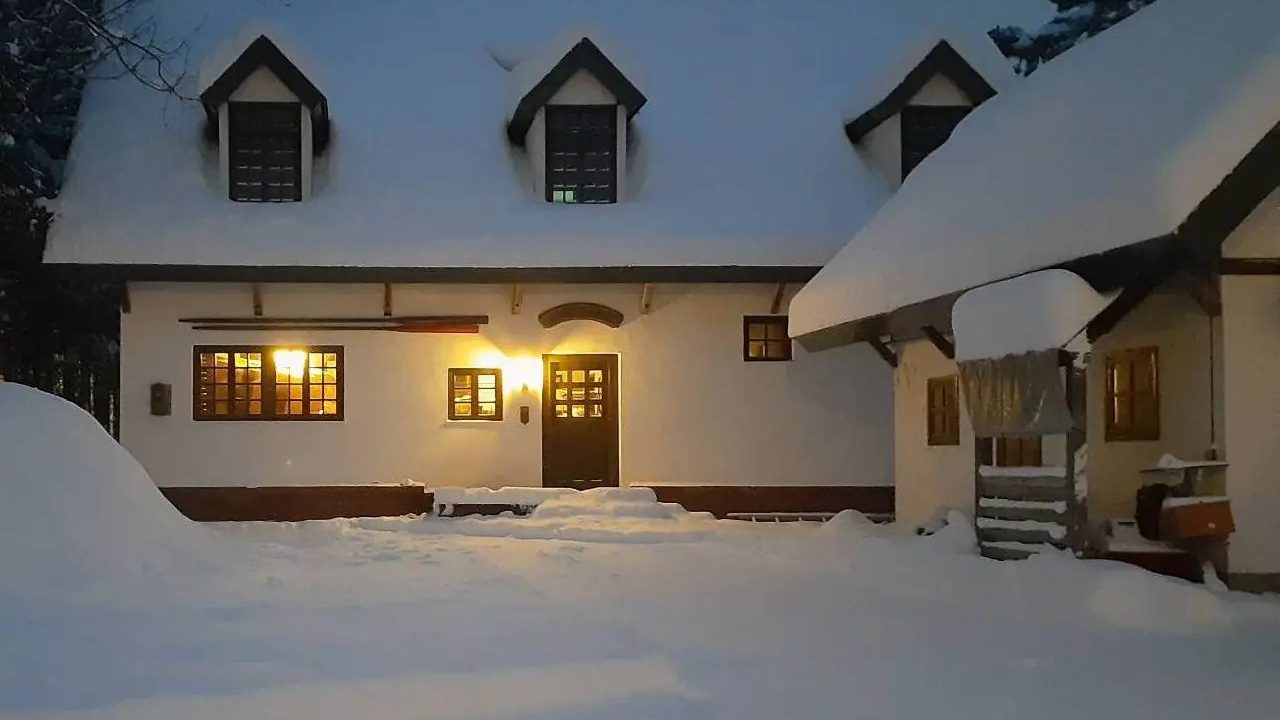
Buying a House in Hakuba: Yearly Running Costs and Checks
Buying a house or chalet in Hakuba? See the yearly running costs from official tariffs, the winter work an absent owner must arrange, and what to check first.
-
Happo-One Ski Resort Guide 2026-27: Runs, Tickets, Parking
Happo-One ski resort for 2026-27: which base to start from, beginner and expert runs, ticket prices incl. the Debut ticket and early-bird deals, parking rules.