
Hakuba Airbnb Rules: Minpaku Limits vs an Inn Licence
Category: Tax, Law & Visas
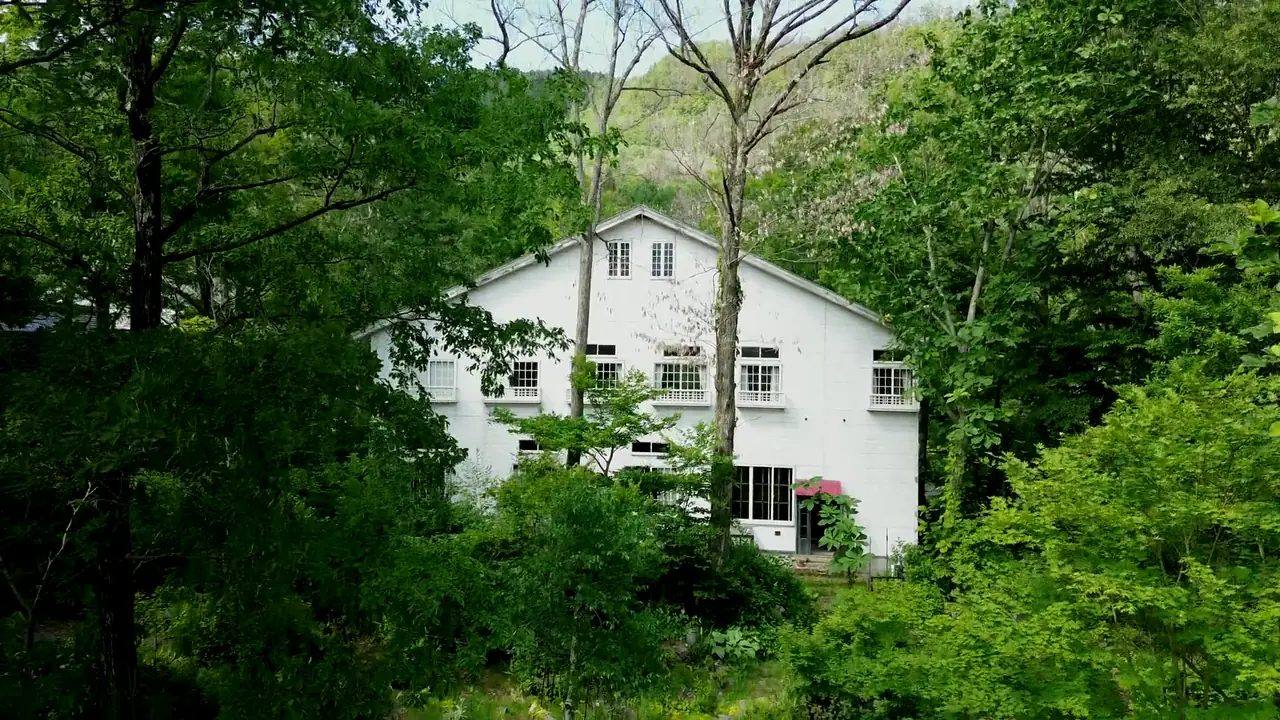
If you want to rent out a holiday home in Hakuba, minpaku (住宅宿泊事業, Japan’s home-sharing notification system) is capped at 180 nights a year.
On top of that, a Nagano Prefecture ordinance restricts minpaku in parts of Kamishiro and Hokujo from 1 December to 31 March. It does not apply where the operator lives in the same building, elsewhere on the same site or in an adjacent home and stays present during guest stays, or where a registered minpaku management company is stationed there in the same way.
Consider a licence under the Inns and Hotels Act (旅館業法) if you want to operate in the restricted winter period without qualifying for an exception, or to take guests on more than 180 nights a year. The winter exceptions do not remove the 180-night cap.
The relevant permit is an Inns and Hotels Act licence (旅館業許可); simple lodging (簡易宿所営業) is one business category under that Act. Airbnb is a booking platform, not a licence: taking payment for overnight stays needs either a minpaku notification or an inn licence.
Before you buy or design, check in this order:
- Is the address in a winter-restricted area, and does an exception apply?
- Does the property count as a “house” for minpaku, and does a 180-night plan work?
- If the winter restriction blocks your plan, or you need more than 180 nights, can it get an inn licence (building use, fire safety, location)?
- If it already holds a licence, have you confirmed the succession procedure and its deadline (before the business transfer agreement takes effect) with the health office?
For a first consultation with the health office, prepare the address, existing plans, the proposed layout and guest capacity; for a licensed lodge, also get the current licence and any change records.
This is general information, not legal advice. Confirm a specific property with the health office or a qualified professional.
Hakuba Airbnb rules: where and when minpaku is restricted in winter
Article 18 of the Private Lodging Business Act (住宅宿泊事業法) lets prefectures restrict minpaku by area and period through an ordinance. Nagano’s ordinance and its enforcement rules set the following for Hakuba Village.
| Item | Hakuba Village |
|---|---|
| Restricted area | Part of Kamishiro (大字神城, 付表第6) and part of Hokujo (大字北城: 字倉下 and 付表第7) |
| Restricted period | 1 December to 31 March |
| Exceptions | The operator lives in the same building, on the same site or next door and is not absent during stays; or the management company it has contracted is stationed there in the same way (note to Schedule 6 of the Enforcement Rules, applying ordinance Article 6, items 1 and 2) |
| Legal basis | Ordinance Article 5 (row 7); enforcement rules Article 7, appended table 6 (別表第6) and its note |
Sources: Nagano ordinance, enforcement rules, summary of restricted areas
The annexes (付表第6 and 第7) describe the areas by village road numbers and rivers such as the Himekawa and Hirakawa, so a place name alone will not tell you. Check the exact address with the health office. The prefecture added and removed some restricted areas on 1 April 2025.
Separately, within roughly 100 m of a school (excluding universities), an integrated certified childcare centre (幼保連携型認定こども園) or a nursery, minpaku is restricted Monday to Friday across Nagano, excluding holidays and that institution’s long closures. Hakuba is not among the municipalities that lifted this. The weekday rule for residential-only zones finds no area to apply to in Hakuba, which has no zoning districts.
Minpaku vs an inn licence (簡易宿所)
The Japan Tourism Agency sums up the difference: an inn licence has “no limit on the number of days a year, but location is restricted”, while minpaku has no location restriction under that law “but is limited to 180 days or fewer a year”. That describes the national framework; in Nagano, the ordinance above still restricts minpaku in set areas and periods. The main differences for a Hakuba holiday-home owner are below.
| Item | Minpaku (住宅宿泊事業) | Inn licence (簡易宿所営業) |
|---|---|---|
| Procedure | Notification, by the day before starting | Permit from the health office director (fee ¥24,000) |
| Nights per year | Up to 180 | No cap |
| Hakuba winter restriction | Listed areas: 1 Dec–31 Mar (exceptions apply) | The minpaku ordinance does not apply |
| Building status | Treated as a “house” under the Building Standards Act | Hotel/inn use |
| If no owner lives there | In principle, must entrust a registered management company | The licensed operator runs it |
Simple lodging (簡易宿所営業) is defined in law as a business using a facility “mainly with structures and equipment in which the sleeping space is shared by many people”. A rental chalet does not automatically fall into this type; confirm with the health office whether simple lodging or hotel/ryokan (旅館・ホテル営業) fits the layout and capacity.
Sources: Private Lodging Business Act Arts. 2(3), 11, 21; JTA FAQ; Inns and Hotels Act Art. 3; Nagano inn licence forms
Minpaku needs a building that counts as a “house” under the law.
The national guideline says a home used residentially at least once a year can count as occasionally lived in, giving a holiday home used a few times a year by season as an example.
However, a newly built investment property used only for minpaku, with no residential use at all, does not qualify under this “occasionally lived in” category. The guideline says the actual circumstances are assessed, not just whether the building is new. If you plan to build a chalet to rent out, discuss the intended licence with the health office before finalising the design.
Hakuba in the public lists: 0 minpaku, 1,307 inn licences
When Hakuba Land counted Nagano Prefecture’s published lists, they contained 0 operating minpaku notifications and 1,307 inn-licence entries for Hakuba. These are administrative list entries, not proof that every one is trading.
| Nagano published list | Hakuba Village | For comparison |
|---|---|---|
| Minpaku notifications in operation (31 Aug 2026) | 0 | 196 on the whole list (incl. Nagano and Matsumoto cities) |
| Inn licences (data dated 31 Aug 2026) | 1,307 | Karuizawa, next highest in this dataset: 549 |
| of which simple lodging (簡易宿所) | 788 | hotel/ryokan 264, ryokan 196, hotel 59 |
Sources: Nagano minpaku list, Nagano inn-licence open data (the inn data excludes Nagano City and Matsumoto City). Counted by our editorial team on 26 October 2026.
In the same data, Hakuba facilities with a 2025 licence date are 145 hotel/ryokan (旅館・ホテル営業), 30 simple lodging and 1 ryokan; for 2026 up to 31 August, 34 and 8. These counts do not decide which category a given property fits; confirm the proposed layout and capacity with the health office.
Getting an inn licence: check with the health office before you buy or design
The health office checks that the building meets the structural standards and that the location is suitable. Nagano asks applicants to consult early, while drawings can still be changed, and to check the Fire Service, Building Standards and City Planning Acts with the relevant bodies. The main checks:
- Building Standards Act. Converting a house to hotel/inn use (simple lodging included) needs building confirmation if the converted floor area exceeds 200 m². At 200 m² or less no confirmation is needed, but the building must still comply. A national notice of 28 May 2026 asks health offices to require, at licensing, the change-of-use confirmation certificate above 200 m², or an architect’s certificate of compliance at 200 m² or less.
- Room area. Simple lodging needs at least 33 m² of guest-room floor area in total, or 3.3 m² × the number of guests if you apply for fewer than 10. The prefecture’s ordinance adds further standards.
- Fire safety. The application needs a copy of the fire-safety compliance notice (消防法令適合通知書) from the local fire station.
- Location. Within roughly 100 m of a school or similar facility, a licence can be refused if the lodging would seriously harm that facility’s wholesome environment. The application includes a map of the area within 200 m.
- Village development ordinance. Under an amendment to the Hakuba Village Ordinance on the Coordination of Development Activities (in force 17 December 2026), Article 8 and other provisions also apply to hotel, ryokan or simple-lodging buildings where (1) the development area (施行区域) is at least 2,000 m² but less than 3,000 m², or (2) the building has four or more storeys or is 12 m or more above ground level (Article 6-2; projects that already hold a building confirmation at that date are excluded). Article 8 requires consultation with the mayor on the plan at least three months before starting the development or filing a permit or approval application or notification under the related laws.
Sources: Inns and Hotels Act Art. 3; Enforcement Order Art. 1(2); Nagano: inn licences; Hakuba Village Ordinance on the Coordination of Development Activities (白馬村開発行為の調整等に関する条例)
Buying a licensed lodge: taking over the licence
Buying the building alone does not carry over the inn licence. When the lodging business itself is transferred, the seller and buyer must both obtain the governor’s approval, and the transferee then succeeds to the operator’s status (Inns and Hotels Act Art. 3-2). Nagano’s guidance sets the deadline as “before the business transfer agreement takes effect”; after that, a new licence is needed.
Gemini株式会社’s own case: Gemini succeeded to the operator’s status for the simple-lodging business licensed under the facility name ペンション500マイル, with the approval of the Omachi health office (長野県大町保健所指令8大保第12-16号). The facility is now 500 MILES HAKUBA (official site), a lodging licensed under the Inns and Hotels Act (簡易宿所営業).
A change of business type or a move to another site needs a new licence. If you plan alterations, ask the health office how they will be treated. Before buying, get a copy of the licence and any change notifications filed since.
Common mistakes before buying
- “Minpaku lets me rent all winter.” In listed areas it is restricted from December to March unless an exception applies. Check the address before you build a budget.
- “If the operator is a company, staff in the house make it owner-occupied.” For a company operator, the management-company requirement applies even if officers or staff are in the house, unless the company itself is registered as a minpaku management business (national guideline).
- “Switching from minpaku to an inn licence is paperwork.” It is a separate permit with different building-use and fire-safety standards.
- Accommodation tax: both minpaku and licensed lodgings must register to collect Hakuba’s accommodation tax (Hakuba accommodation tax guide).
From property search to operation
Check lodging feasibility before committing to a purchase: area, building use, fire safety and licence succession. Gemini株式会社, the licensed real estate broker behind the Hakuba Land brand, checks these points with the authorities and specialists before you buy. Conversion work is carried out by our long-term partner builders, and we coordinate. Owners looking for operation management can also consult us through our contact page (management).
For land and building rules in general, see Buying Land in Hakuba; for buying from overseas, see Can Foreigners Buy Property in Hakuba?.
Sources
- Private Lodging Business Act (e-Gov) and enforcement rules (e-Gov)
- Minpaku Act guideline, revised 24 Dec 2024 (JTA)
- Nagano Prefecture: minpaku
- Inns and Hotels Act (e-Gov), Enforcement Order (e-Gov), Building Standards Act (e-Gov)
- MHLW/MLIT notice of 28 May 2026
Checked against Nagano Prefecture, Hakuba Village, e-Gov and Japan Tourism Agency sources on 26 October 2026. Areas and periods can change; confirm the latest rules for a specific property with the Omachi health office (大町保健所).
Frequently asked questions
How are the 180 days counted?
Nights are counted in a year running from noon on 1 April to noon on the next 1 April; noon to noon the next day is one day, so one night counts as one day. The cap applies per notified house, and the count carries over if the operator changes mid-year.
Which authority handles a Hakuba minpaku notification, and how is it submitted?
The Nagano Prefecture health and welfare office (health office) that covers the address. It is filed in principle through the Japan Tourism Agency's online minpaku system, with a fire-safety compliance notice (消防法令適合通知書) attached.
How many guests can a minpaku take?
The Japan Tourism Agency FAQ requires at least 3.3 m² of floor area per guest. Confirm how floor area is calculated and the permitted capacity for the property with the health office before filing.
Related guides
-
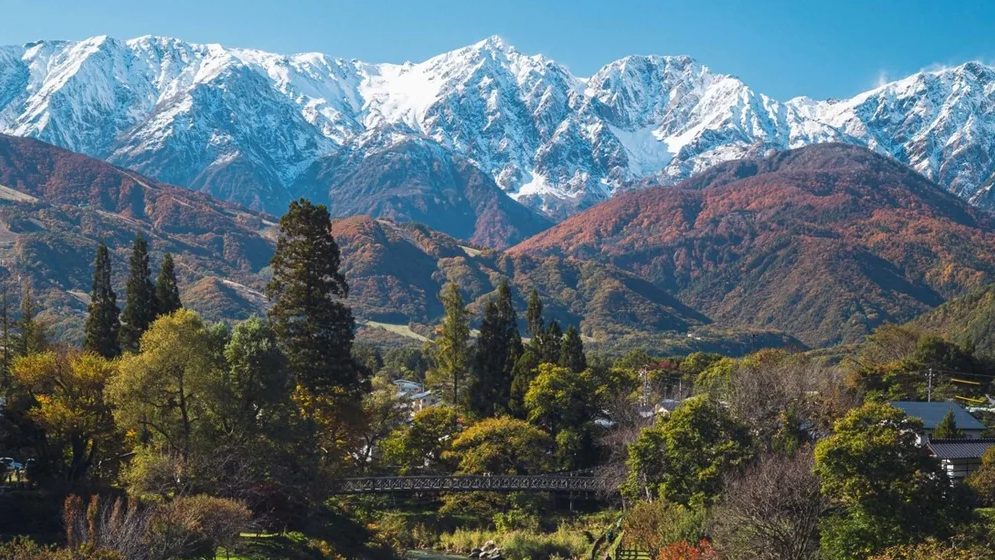
Buying Land in Hakuba: What You Can Build and What to Check
Looking at Hakuba land for sale? Zoning, landscape and development rules, villa-area agreements, road access and what to check before you buy.
-
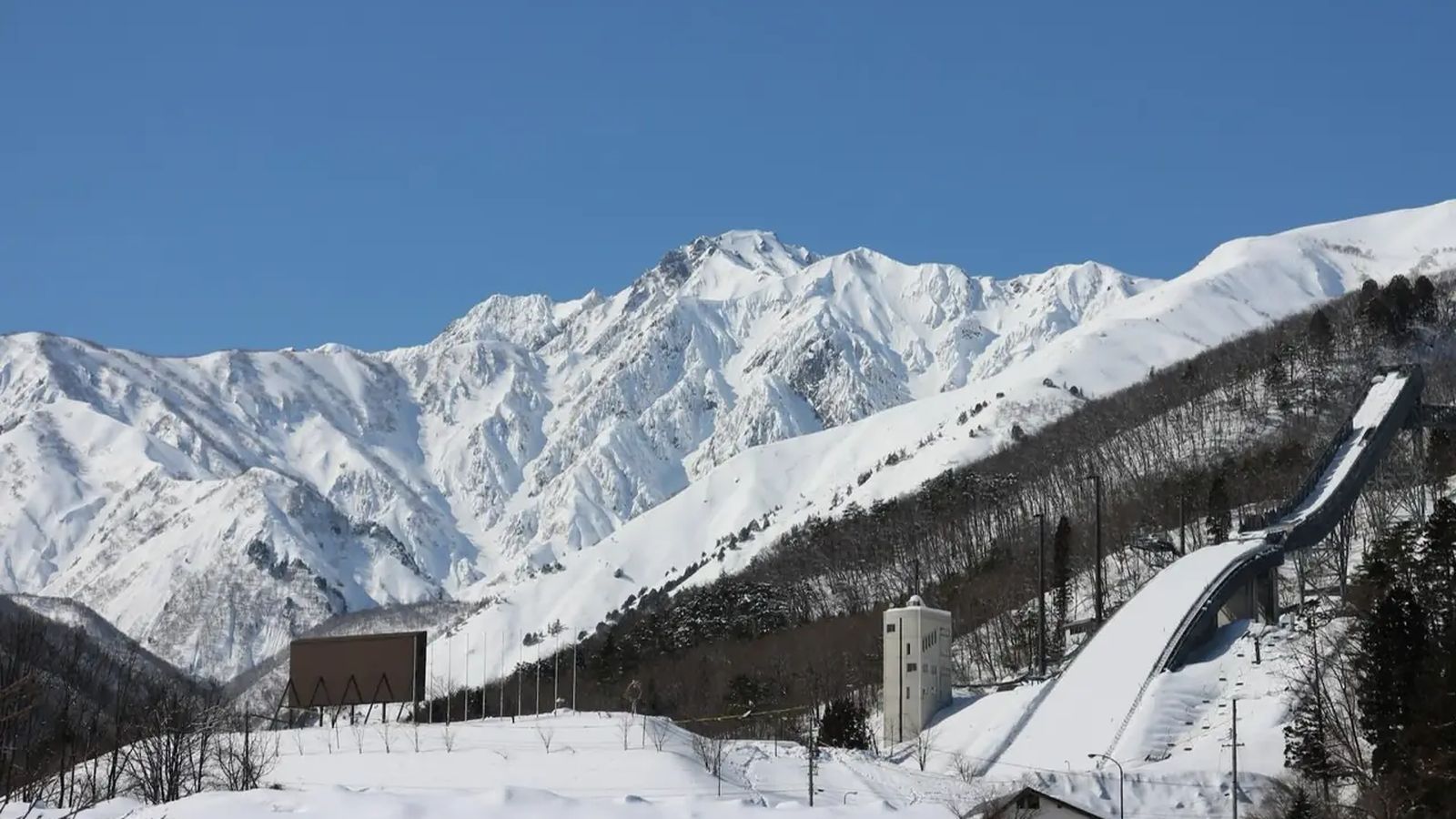
Can Foreigners Buy Property in Hakuba? 2026 Buyer Guide
Can foreigners buy property in Hakuba? Yes. Here is the 2026 process, costs, the new non-resident reporting rule, land price data and Hakuba-specific checks.
-
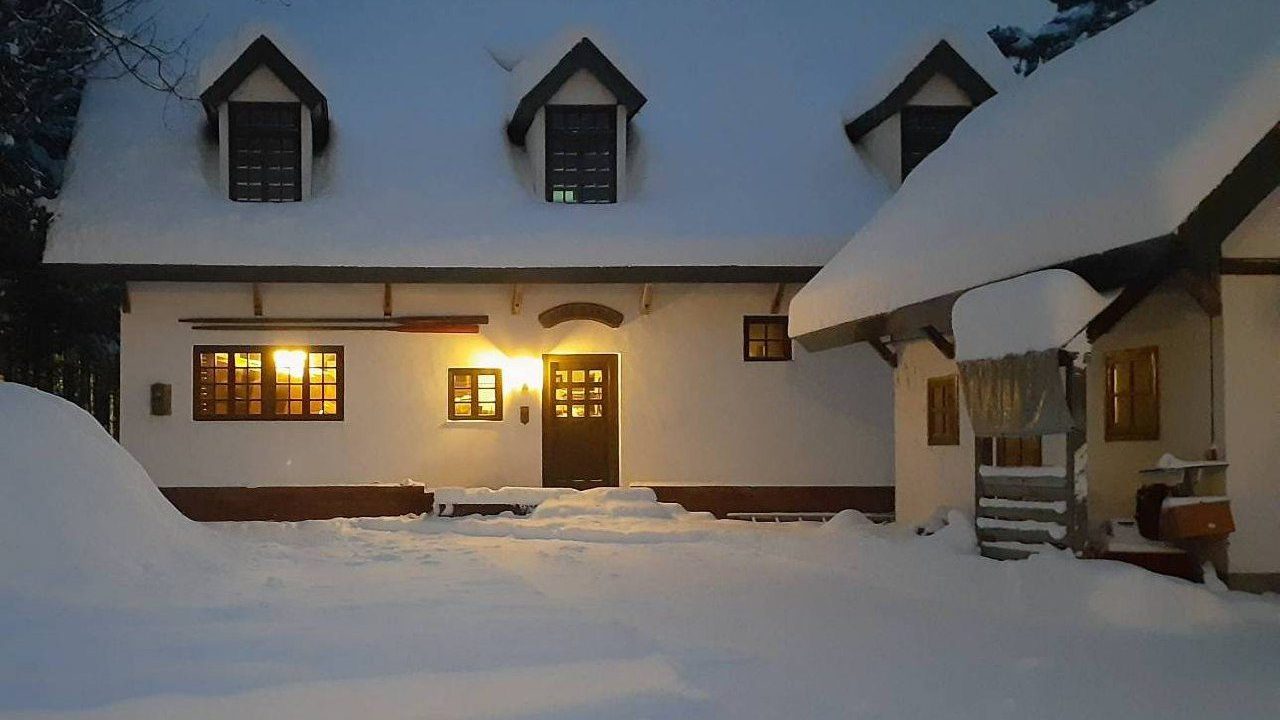
Hakuba Accommodation Tax: Rates per Night & Chalet Guide
Hakuba accommodation tax is ¥200–¥1,900 per person per night on room charges of ¥6,000+ before consumption tax. Chalet examples, exemptions and owner rules.